2 hr
Azulejo Tile Painting Workshop with Port Wine
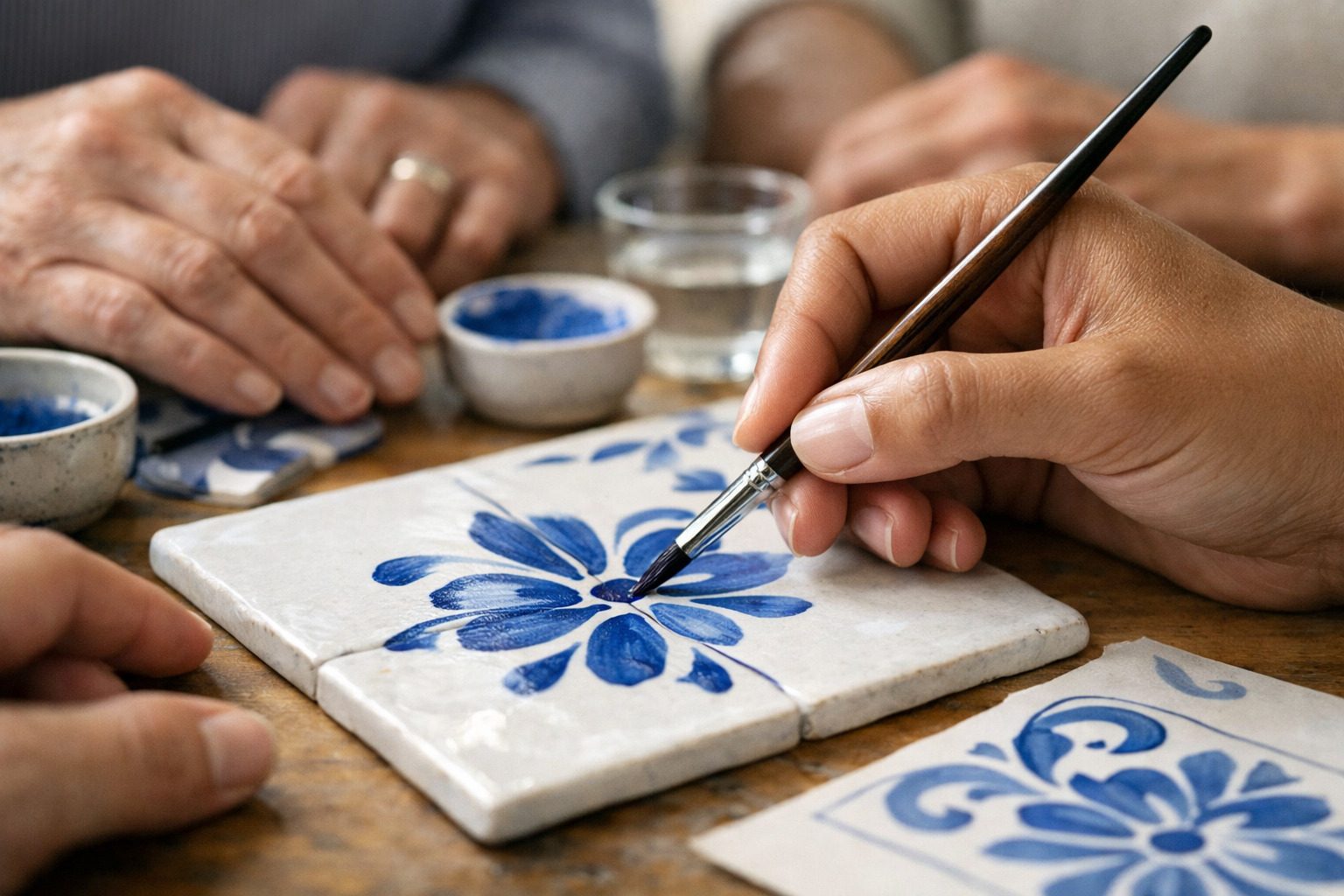
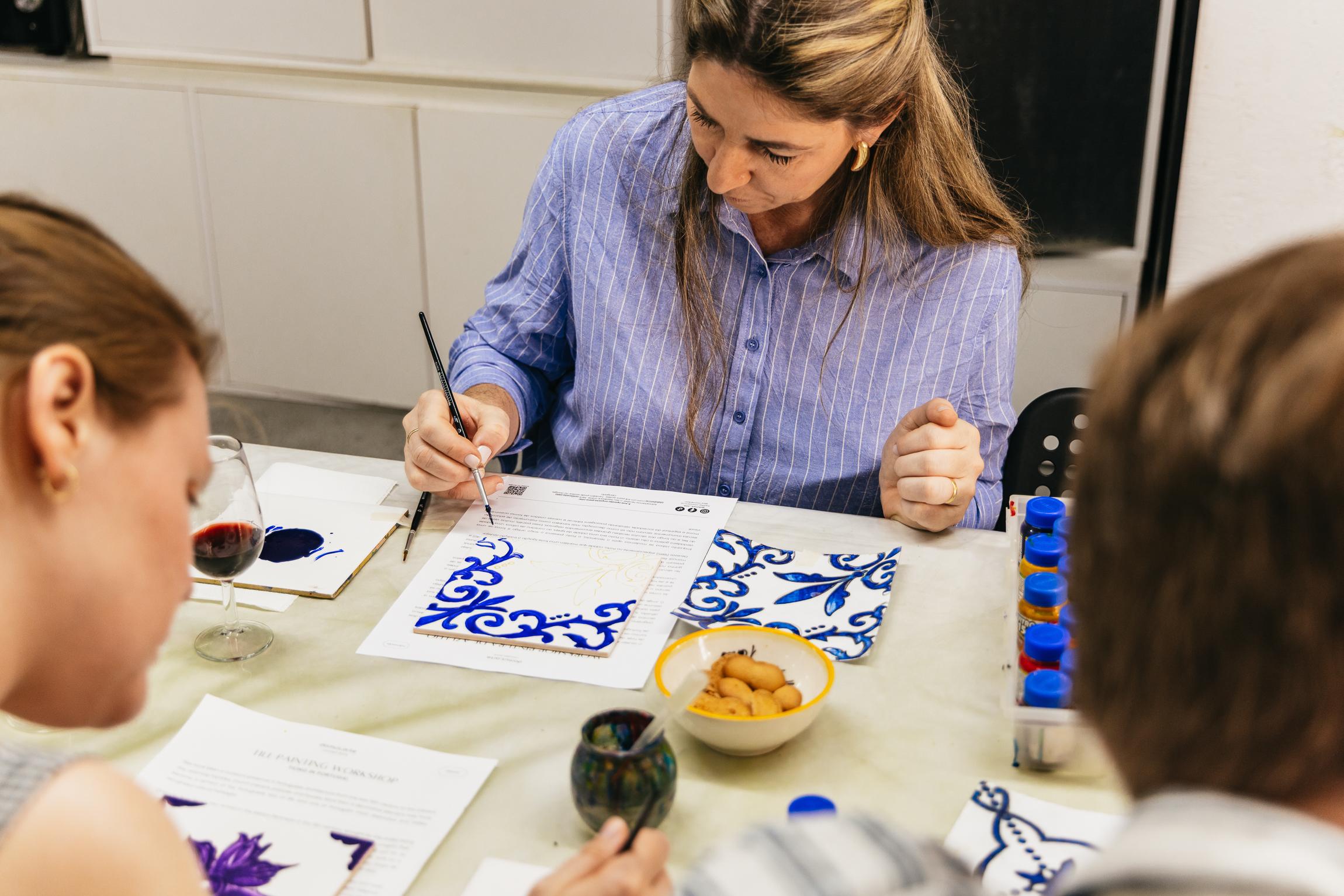
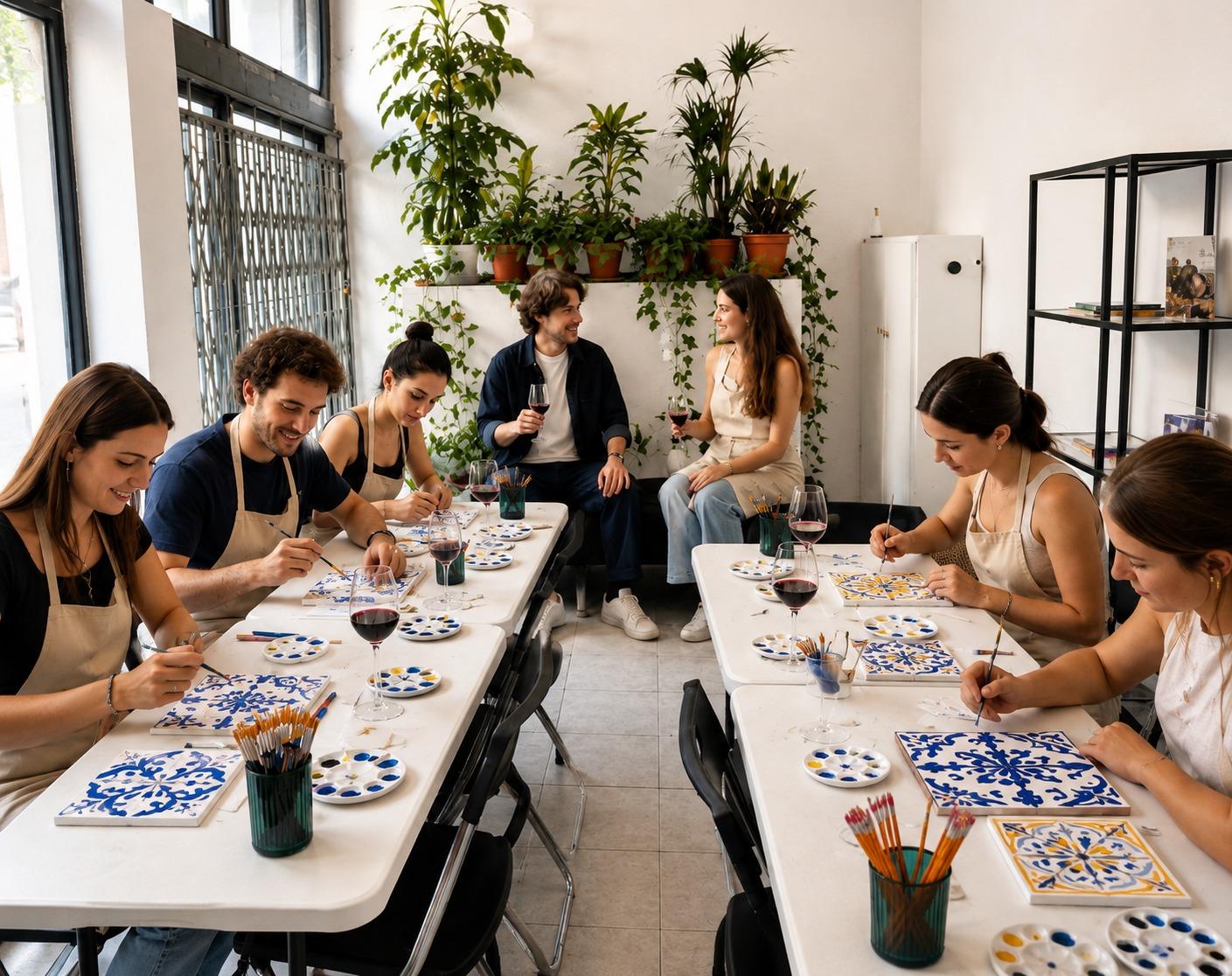
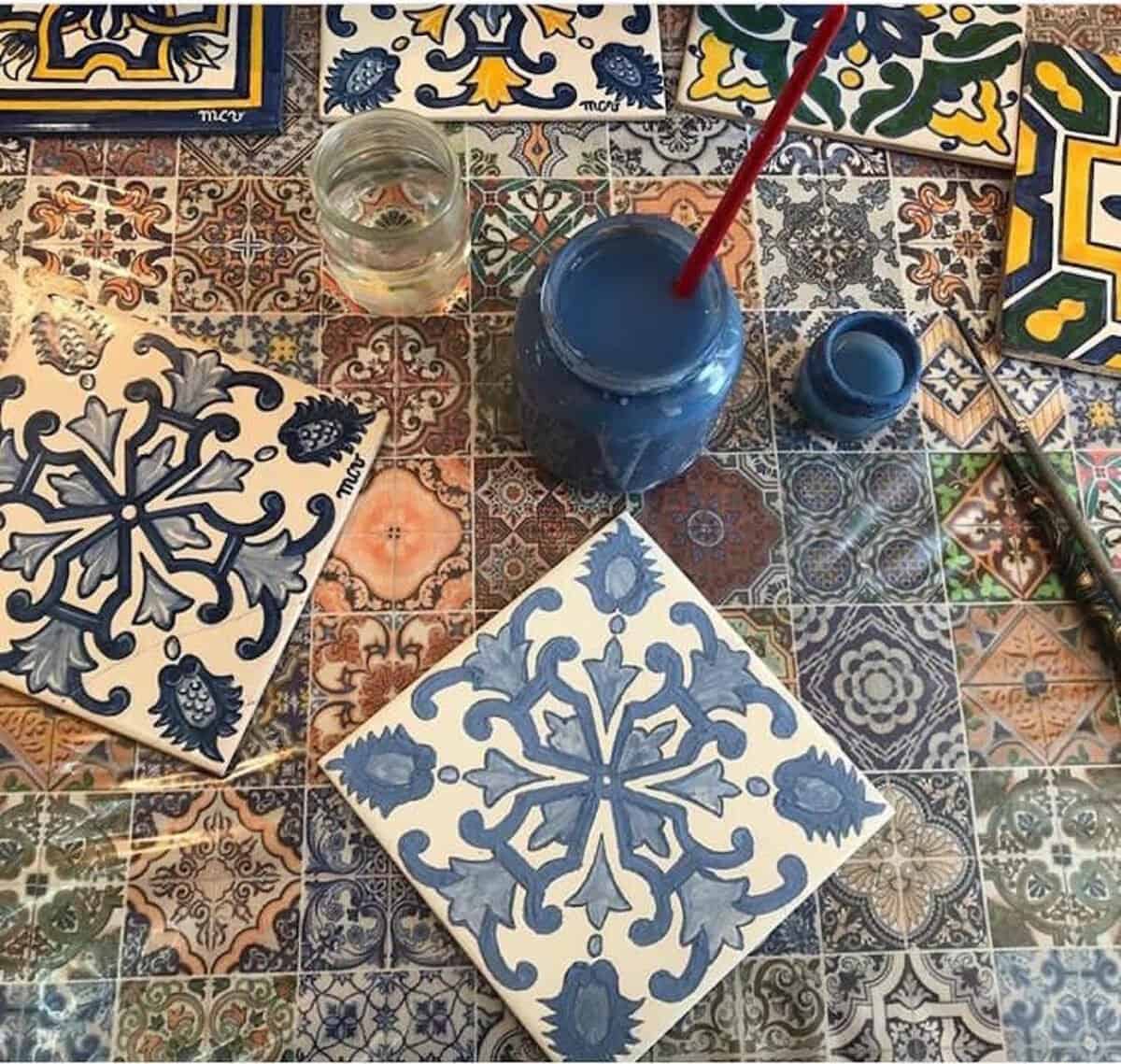
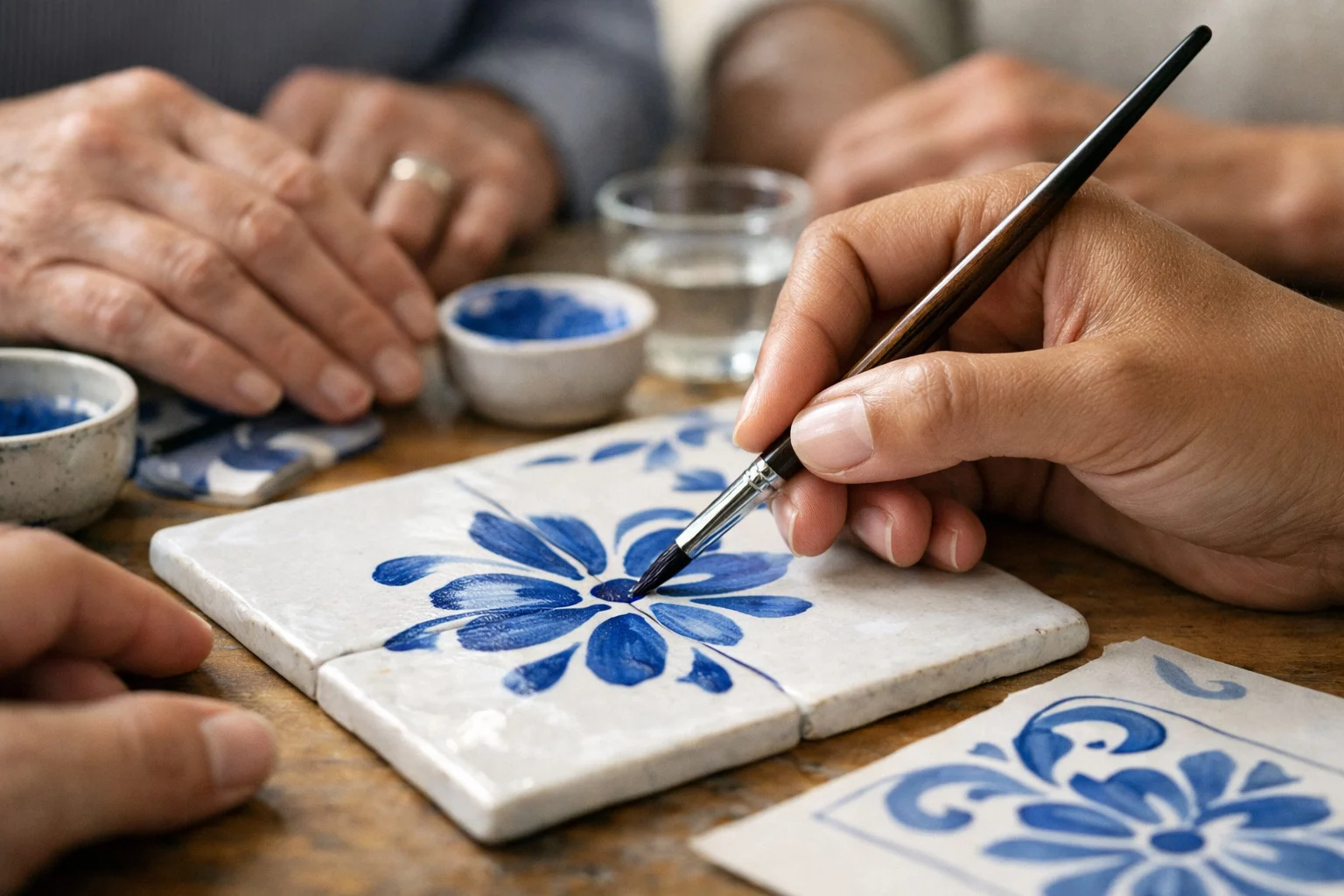
Paint your own Portuguese ceramic tile while sipping Port wine at a creative studio in Porto.
Reserve
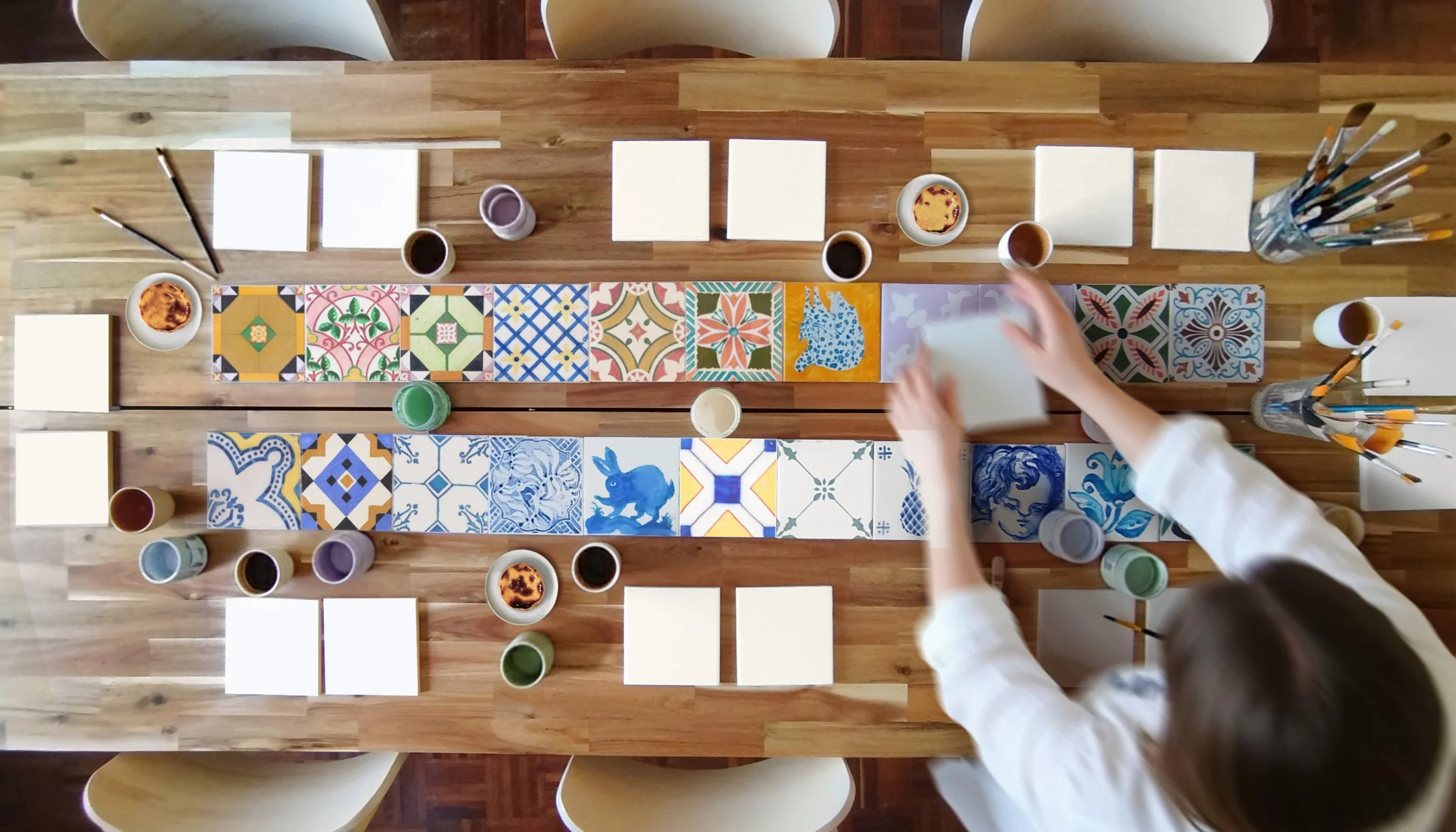
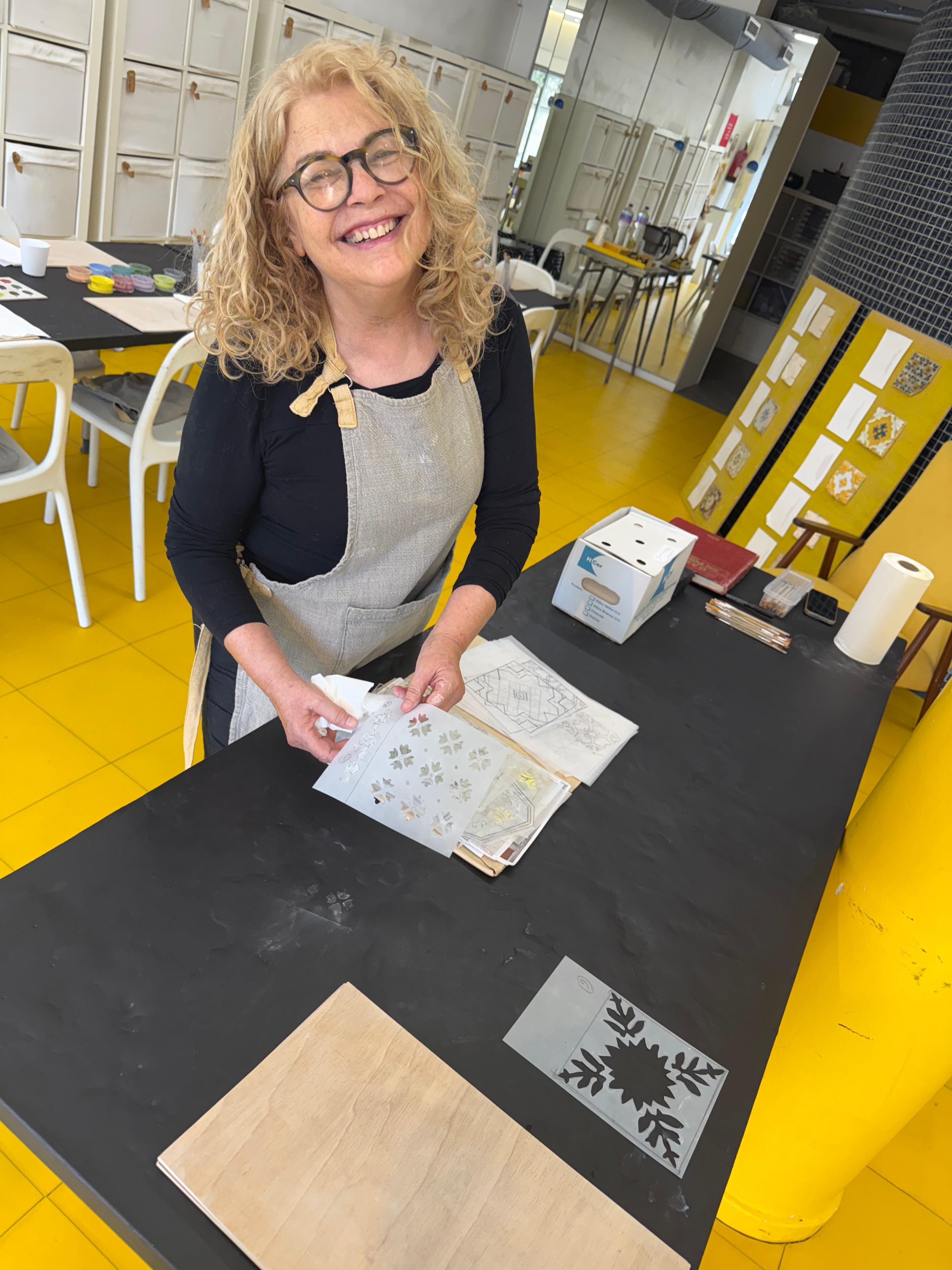
Hand-paint traditional Portuguese tiles, guided by local artisans in a historic atelier
Hand-picked by our editors — only the best 3 tile painting experiences from 12 reviewed.
Verified partners for Tile Painting Workshop Porto tours, free cancellation where available, and instant confirmation on every booking.
2 hr
Paint your own Portuguese ceramic tile while sipping Port wine at a creative studio in Porto.
Reserve
2 hr
Paint your own Portuguese azulejo tile while enjoying a cocktail in a relaxed downtown studio.
Reserve
2 hr
Design and paint your own Portuguese ceramic tile using traditional porcelain techniques in a creative studio setting.
ReservePrices from verified partners. Availability updates in real time at checkout. Free cancellation policies apply where shown.
The landmarks, rooms, and views travelers on Tile Painting Workshop Porto tours remember — all visible on a single visit.
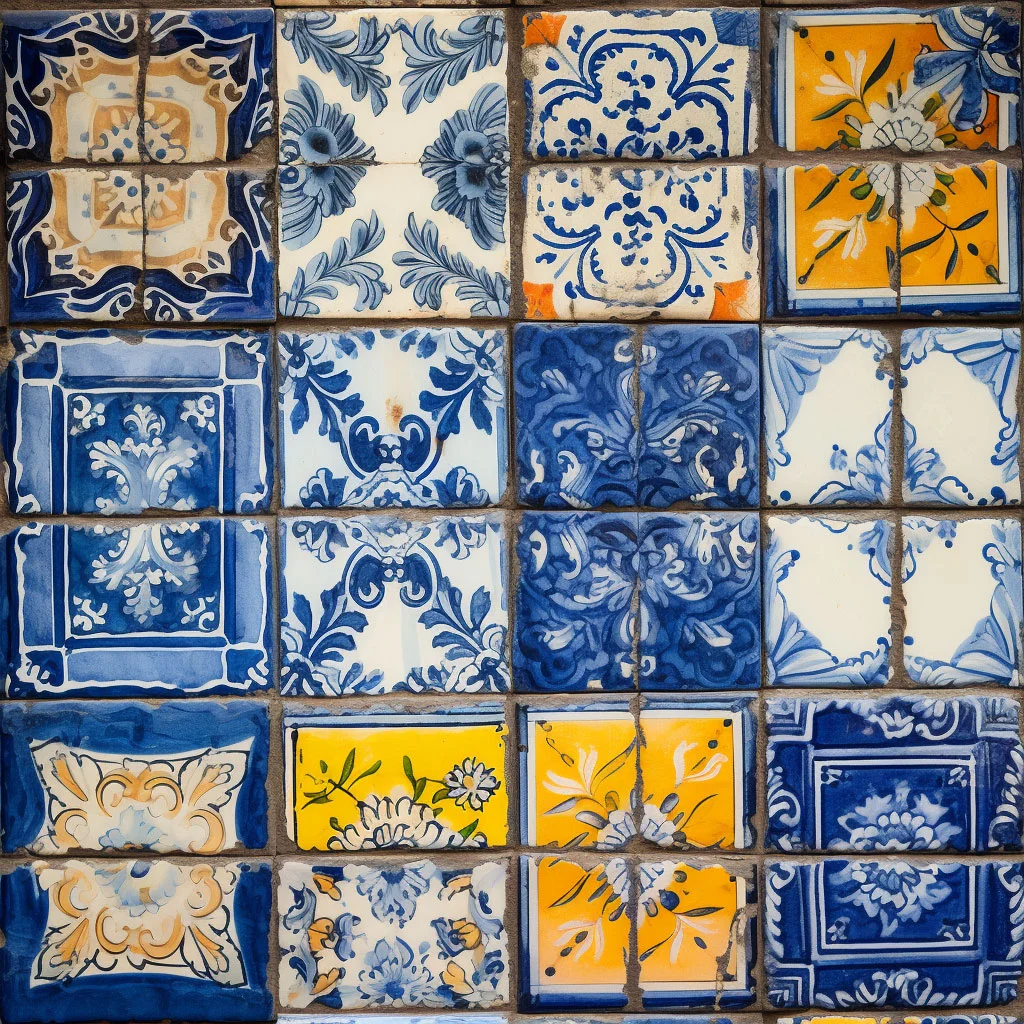
Learn the traditional methods used to create authentic Portuguese azulejos in this tile painting workshop porto.
Discover the significance of ceramic art in Porto and how it influences local architecture.
Receive personalized feedback from local masters while working on your individual tiles.
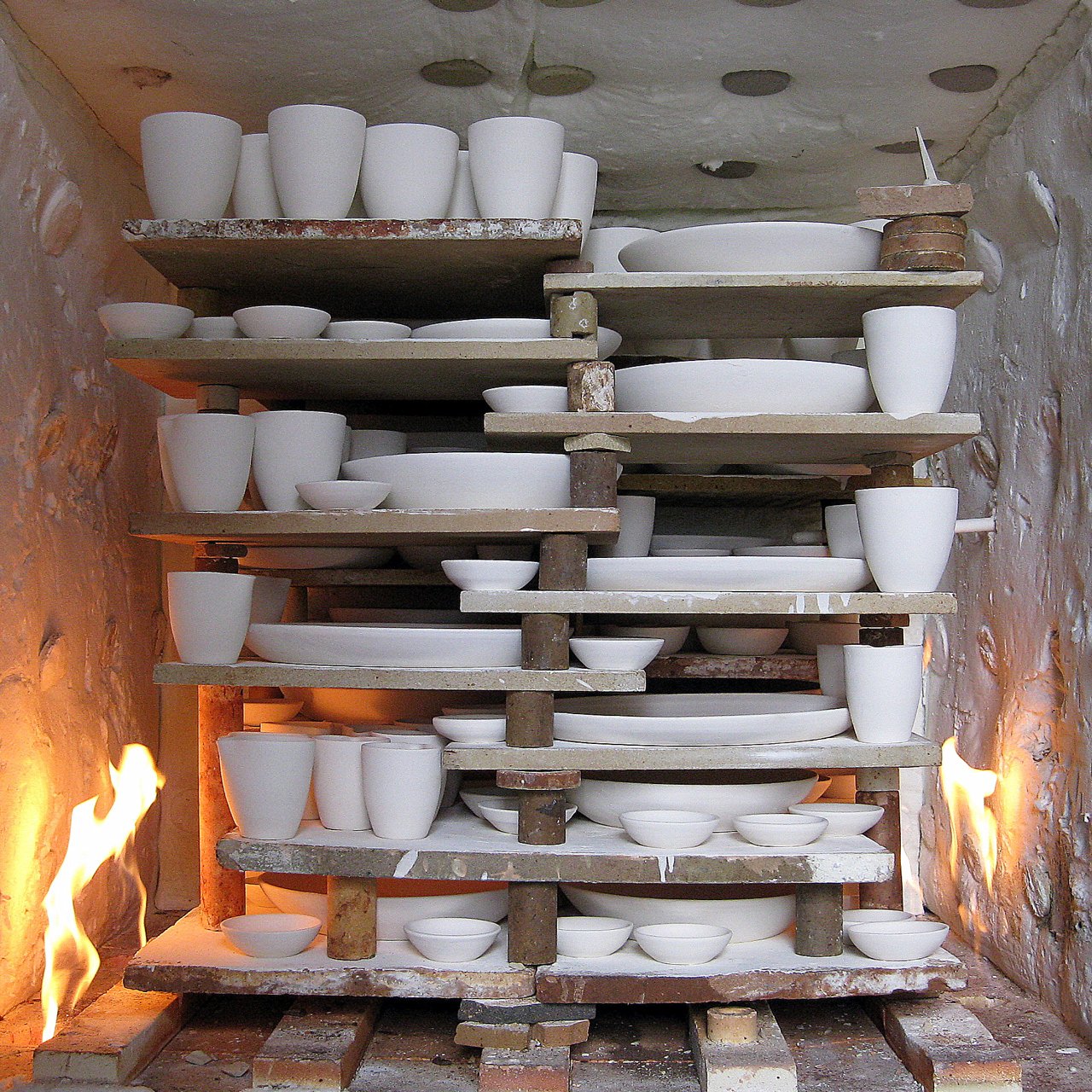
Understand the science behind firing ceramic tiles to ensure your masterpiece is durable.
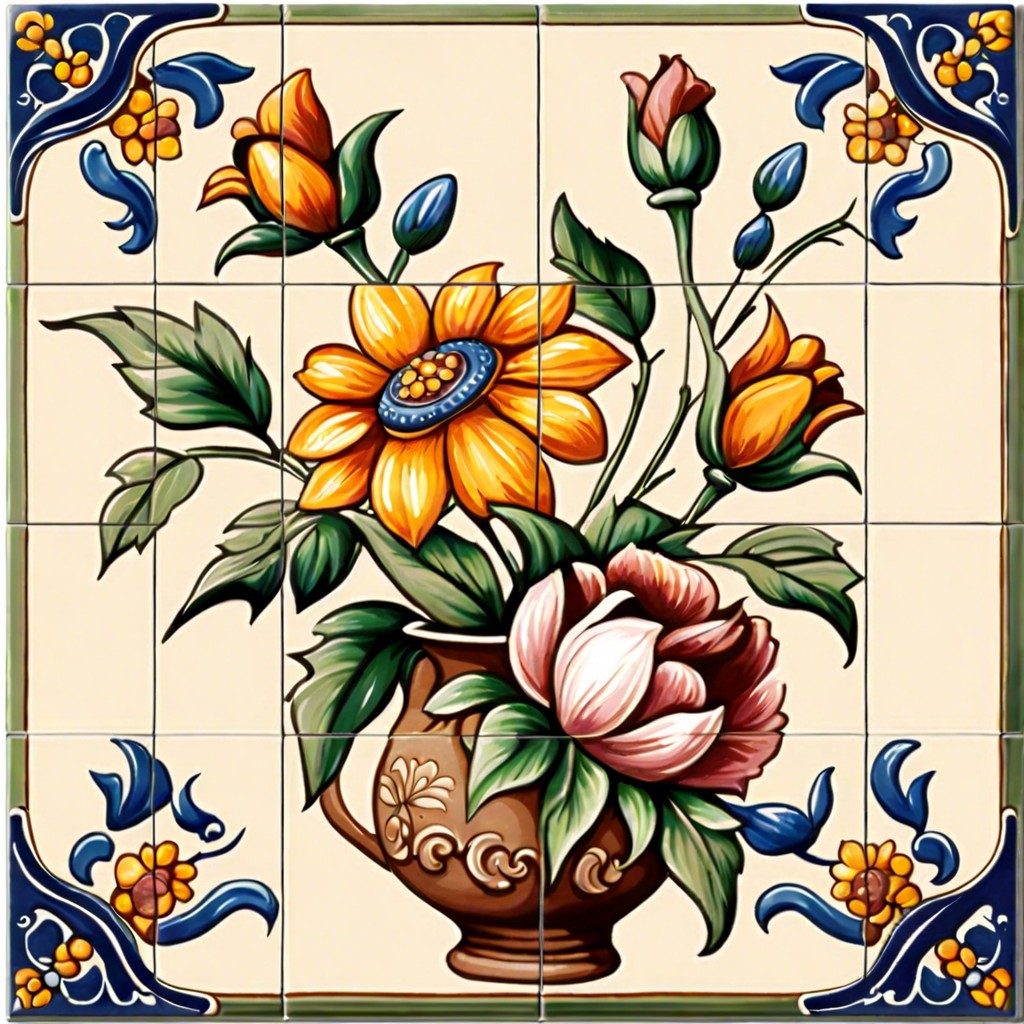
Create your own decorative tile pattern inspired by classic Portuguese geometric themes.
Every Tile Painting Workshop Porto tour side-by-side — duration, what's included, how you redeem.
| Experience | Duration | Rating | Small group | Free cancel. | Price | |
|---|---|---|---|---|---|---|
|
Standard Entry Most popular
Azulejo Tile Painting Workshop with Port Wine
|
2 hr | ★ 4.9 | — | ✓ | €35 | Book → |
|
Standard Entry
Tile Painting & Cocktails Workshop in Porto
|
2 hr | ★ 4.9 | ✓ | ✓ | €35 | Book → |
|
Standard Entry
Azulejo Tile Painting Workshop
|
2 hr | ★ 4.9 | — | ✓ | €33 | Book → |
All prices from verified partners. Availability and exact terms confirmed at checkout.
Participants gain creative fulfillment by crafting their own ceramic designs in a tile painting workshop porto, whereas museum visits offer deep observational insight into regional azulejo heritage. Most travelers find the workshop more engaging for active learners, while the museum serves those seeking historical context.
| Feature | Top pick Painting Workshop | Azulejo Museum |
|---|---|---|
Activity Type |
Hands-on creation | Observational exhibition |
Primary Goal |
Artistic production | Historical appreciation |
Skill Level |
Beginner friendly | None required |
Duration |
2 hours | 1.5–3 hours |
Price |
35 EUR (summer) | 5–10 EUR (summer) |
Accessibility |
Accessible workspace | Full accessibility |
| See tickets → |
Verdict: Securing tile painting workshop porto tickets is ideal for travelers seeking a tactile souvenir, while museum tours provide a broader perspective on the cultural significance of the city's iconic ceramic landmarks.
Choose your ticket, select your date, and reserve in under two minutes. Secure checkout handled by our verified partner.
Instant confirmation by email, with a mobile voucher you can save offline. No printing, no queuing at a collection desk.
Arrive at the entrance, show your voucher on your phone, and walk in. Most tickets include priority or skip-the-line access.
Best time to go, insider tips, nearby landmarks, and the cancellation fine print — flip through to skim what matters to you.
How crowds, weather, and events shift across the year.
March to May offers mild weather and moderate crowds for a tile painting workshop porto.
June to August is the warmest period, ideal for daytime studio sessions.
September to November provides cooler temperatures for urban exploration.
December to February is quiet, perfect for indoor artistic activities.
Small details that turn a good visit into a great one.
Reserve your tile painting workshop porto tickets at least one week in advance to ensure availability.
The studio provides aprons, but avoid wearing expensive fabrics that might stain.
Engage with the instructors about the history of Portuguese ceramics to enhance your visit.
Arrive by 16:00 to make the most of the daylight hours for color mixing.
Combine your workshop with a walk through the nearby historic streets of Porto.
Non-bookable sights within a short walk — free to visit, easy to pair.
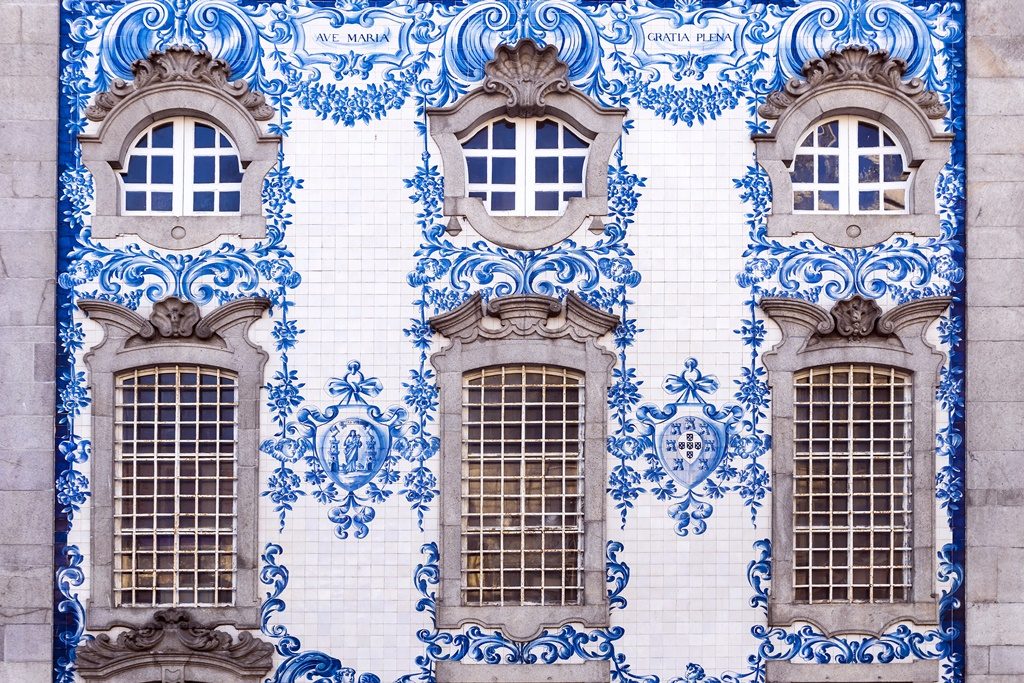
Famous for its intricate tile murals depicting Portuguese history.
A neoclassical building featuring a stunning Arabian Room.
A historic fortress-like cathedral overlooking the Douro River.
Gothic-style cloisters featuring exquisite tile work.
Flexible, no hidden fees.
Cancellations made at least 24 hours in advance receive a full refund. The entrance fee of 35 EUR per person is non-refundable for no-shows.
Hand-picked options within walking distance — pick a district for vibe, or a specific hotel for convenience.
Located in the historic Palácio das Cardosas.
Situated near the river and primary cultural sites.
Offers views of the Douro River and city landscape.
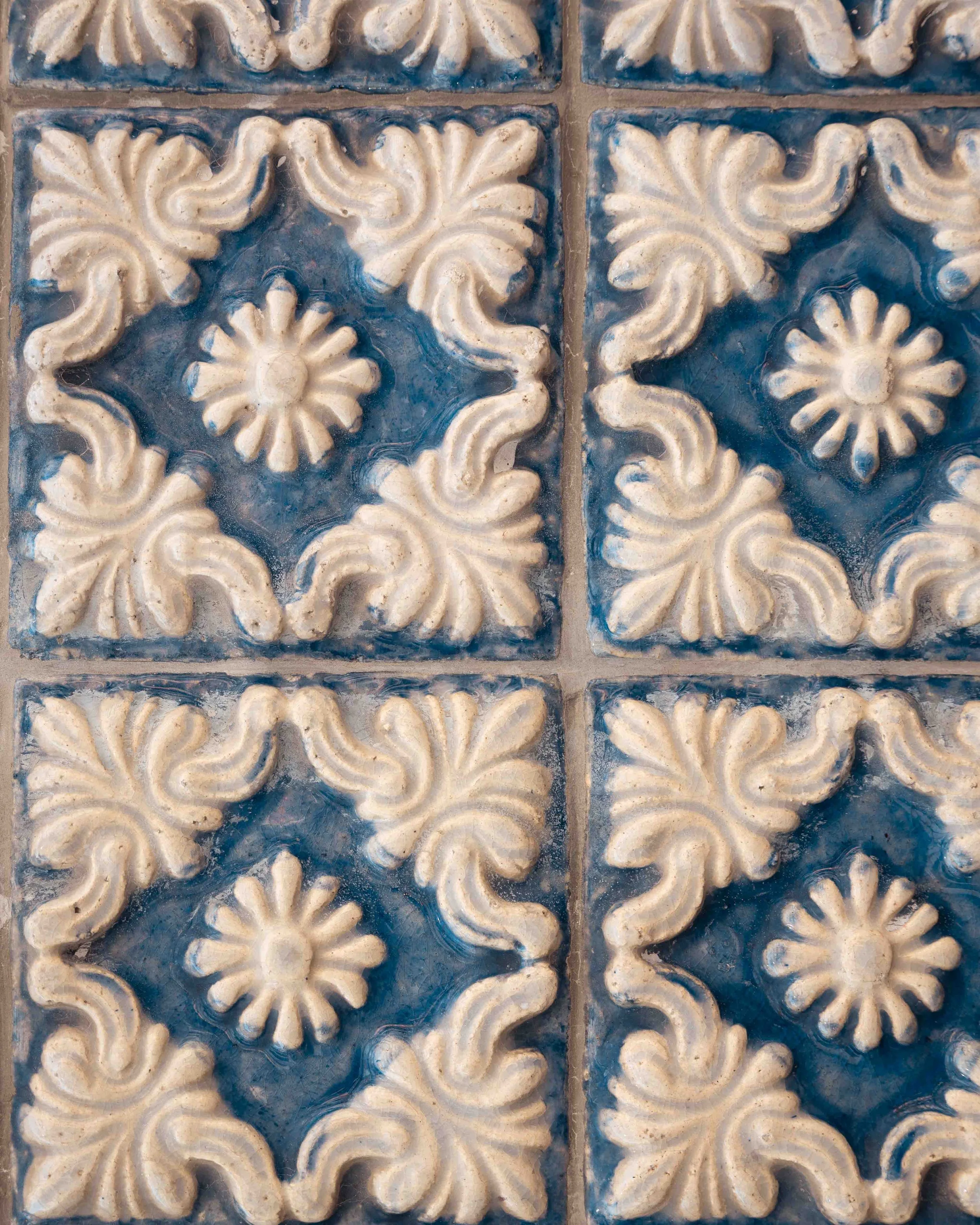
A single blue-and-white tile can take three firings and eight hours of brushwork to achieve the luminous depth that defines Portuguese azulejo tradition.
The craft arrived in Porto during the fifteenth century through Moorish artisans, but it was the city's proximity to kaolin clay deposits along the Douro that transformed decorative tilework into an industrial and artistic cornerstone. By the eighteenth century, Porto's workshops were supplying entire façades for churches, palaces, and railway stations across Portugal and Brazil, embedding narrative scenes — biblical allegories, maritime victories, pastoral tableaux — into architectural surfaces that still line the city's historic quarters today.
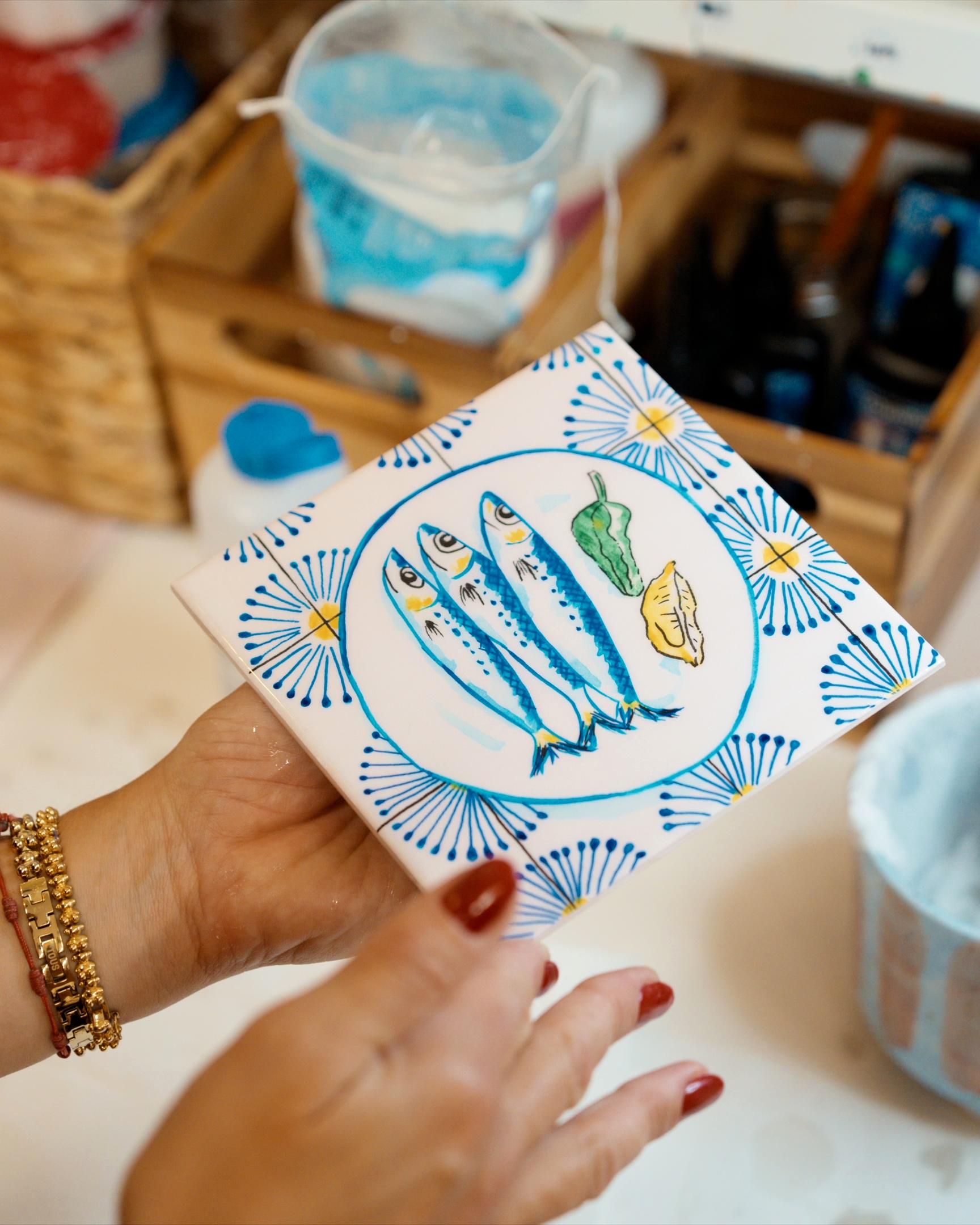
The tile painting workshop porto tradition endures in studios like Domus Arte, where cobalt oxide pigments and hand-thrown ceramic blanks remain the primary materials. Contemporary practitioners preserve the majolica technique: tin-glazed earthenware painted before firing, a method that demands precision because corrections are impossible once the brush touches the glaze. The two-hour sessions introduce visitors to border patterns, floral motifs, and geometric compositions drawn from seventeenth-century pattern books, the same repertoire that decorates São Bento station and the gardens of Palácio de Cristal. Each participant leaves with a finished tile — a tangible artifact of a craft that has shaped Porto's visual identity for five centuries.
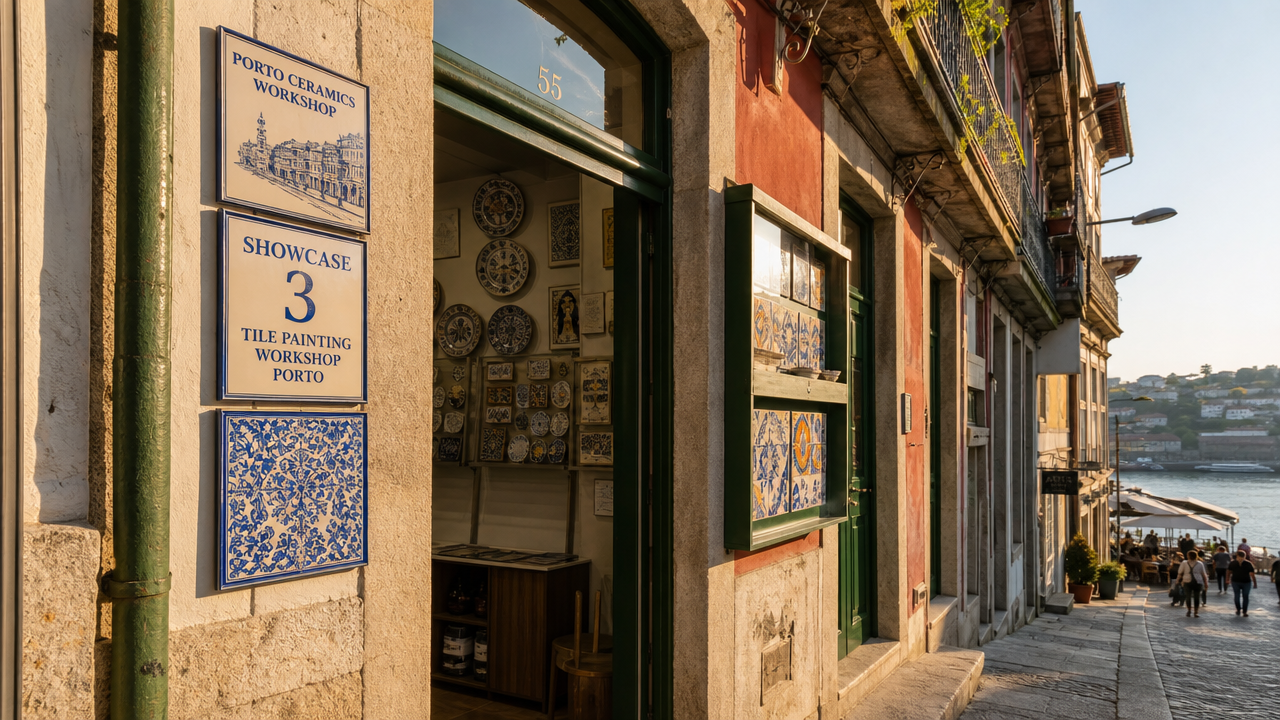
The street itself was named for the leather artisans who lined it in the 1400s, and the building's vaulted ceilings and stone lintels date to that era. Natural light floods the studio through tall casement windows, essential for evaluating the translucency of cobalt washes and the evenness of glaze application. Instructors demonstrate sponging, stippling, and brush-dragging techniques adapted from master ceramists whose work is held in the Museu Nacional do Azulejo in Lisbon.
Beyond the technical instruction, the tile painting class porto experience contextualizes azulejo artistry within Portugal's broader decorative arts lineage. The workshop covers the shift from Spanish Renaissance motifs to distinctly Portuguese baroque exuberance, the industrial mechanization of the nineteenth century, and the contemporary revival led by artists like Eduardo Nery. Participants handle historic tile fragments, examine glaze chemistry, and discuss conservation challenges facing Porto's tiled heritage. The session closes with a glazing and firing overview; finished tiles are collected after kiln processing, typically within three to five days. This hands-on immersion offers rare access to a living craft tradition that remains central to Porto's architectural and cultural continuity.

"A single blue-and-white tile can take three firings and eight hours of brushwork to achieve the luminous depth that defines Portuguese azulejo tradition."
Yes, the studio space is accessible for wheelchair users.
Yes, you are encouraged to take photos of your work during the workshop.
Casual clothing is fine, but be aware you may get paint on your clothes.
Yes, São Bento Railway Station is within a 5-minute walk.